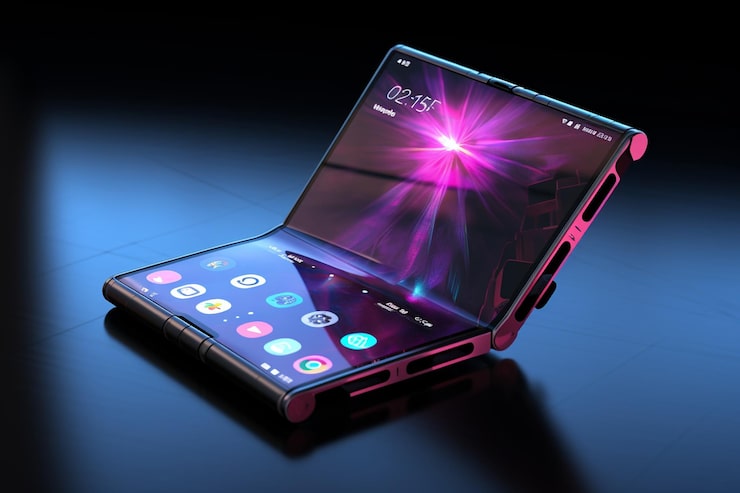
For years, foldable phones have been the smartphone world’s perpetual almost — impressive on paper, but held back by fragile screens, visible creases, weak battery life, and price tags that scared off anyone but early adopters. That story is shifting fast. Industry analysts now expect global foldable shipments to jump roughly 30% in 2026, and the reason isn’t just better hinges — it’s Apple.
Why 2026 Is Being Called the Turning Point
Samsung and Huawei have driven the foldable category for years, refining hinge durability and shrinking the visible crease with each new generation. But the category has historically stayed a niche, premium-tier product, never quite crossing into mainstream territory the way standard flagship phones have. Analysts have a specific pattern for what tends to flip a category from niche to mainstream: Apple’s entry. It happened with tablets, it happened with smartwatches, and industry watchers expect the same effect with Apple’s rumored first foldable iPhone, anticipated toward the end of 2026.
The Numbers Behind the Hype
- Explosive shipment growth: global foldable smartphone shipments are projected to grow around 30% year-over-year in 2026, a dramatically higher growth rate than the broader smartphone market.
- Apple’s expected debut share: some analysts project Apple’s first foldable could capture over 20% of unit share and roughly a third of the category’s total value in its first year alone, despite an expected price point north of $2,000.
- Book-style designs winning out: larger, tablet-like “book-type” foldables are pulling ahead of compact flip-style phones, driven by demand for bigger screens for multitasking and media.
- Regional split remains wide: Greater China continues to lead foldable adoption by a wide margin over North America and Europe, where foldables still represent a small single-digit share of total smartphone sales.
What’s Actually Changed Since the Early Models
The complaints that kept early foldables niche haven’t disappeared entirely, but they’ve genuinely improved. Hinge mechanisms are sturdier and rated for far more fold cycles than early models. Display creases are noticeably less visible on recent generations. Battery life, once a serious weak point on a device splitting power between two screens, has closed much of the gap with standard flagships. Pricing is also easing, with mid-range foldable models now landing under the $1,000 mark in some markets — still a premium, but no longer an outlier price tag reserved for early adopters willing to pay almost anything.
The Skeptical Take
Not every analyst is convinced this is a clean mainstream breakthrough rather than a premium niche simply getting bigger. Foldables still ask users to relearn basic habits — how they hold the phone, type on it, and slip it into a pocket — and that kind of behavioral friction is a genuinely tough sell at a price point still well above a standard flagship. Even with 2026’s growth, foldables are expected to remain a small fraction of total global smartphone shipments, meaning “mainstream” here means faster growth and wider brand competition, not that foldables are about to outsell traditional phones.
For readers tracking how tech categories evolve once major players enter, our piece on how the software engineer role is changing rather than disappearing covers a similar pattern of an established category being reshaped by new competitive pressure rather than replaced outright.
Should You Actually Buy One in 2026?
If multitasking, note-taking, or a tablet-sized screen that fits in a pocket genuinely fits your daily habits, this year’s foldables are a far more credible option than the fragile first-generation devices from a few years ago. For anyone who just wants a reliable daily phone without a learning curve or a premium price tag, though, a standard flagship remains the simpler, cheaper choice — the foldable category has gotten dramatically better, but it still asks for a real adjustment in exchange for that bigger screen.
For readers weighing a foldable against other tech purchases, our roundup of affordable streaming platforms you can subscribe to right now is a good reminder that not every tech upgrade needs to come with a four-figure price tag.
The Bottom Line
Foldables aren’t new anymore, but 2026 genuinely looks like the year the category stops being a curiosity and starts being a real, competitive segment of the phone market — driven less by the phones getting slightly better each year and more by Apple finally deciding to show up.
For ongoing analyst tracking of foldable shipment data and market share, IDC’s worldwide smartphone market research is a widely cited independent source for the industry.