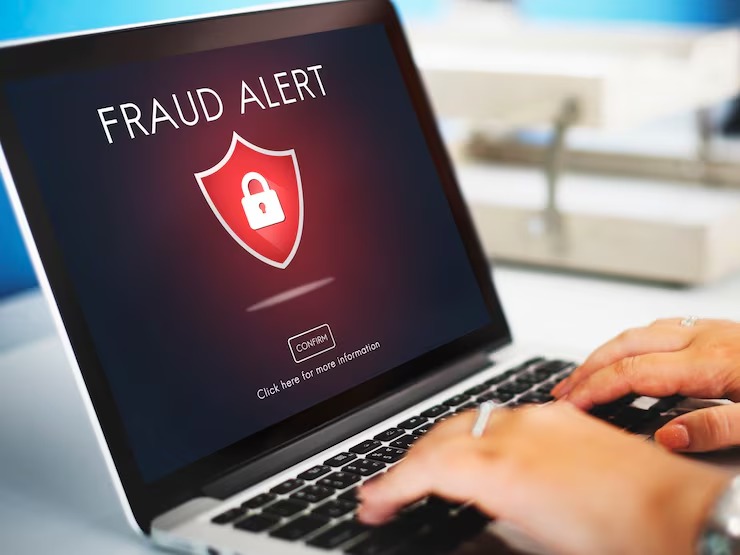
The internet is now part of almost everything we do, from reading news and shopping online to using social media, banking apps, cloud storage, and digital services. With this convenience comes a growing need for online safety because cyber risks are no longer limited to large companies or tech experts. Regular users, students, families, business owners, and professionals all need to understand how to protect themselves while using digital platforms. A safer online experience starts with awareness, smart habits, and simple security steps that anyone can follow.
Why Internet Users Must Take Online Protection Seriously
Every click, login, download, and shared post can carry some level of risk. Many people think online threats only happen to others, but scams, phishing emails, weak passwords, fake websites, and data leaks affect millions of users every year. The problem is not always advanced hacking. In many cases, cybercriminals use simple tricks to make people share information, click harmful links, or trust fake messages.
Modern online threats are also becoming more personal. Scammers often use realistic emails, social media profiles, text messages, and even AI-generated content to appear trustworthy. This makes it harder for users to know what is real and what is fake. That is why learning basic internet protection is now as important as locking your home or protecting your wallet.
Common Digital Threats People Face Every Day
One of the most common online threats is phishing. This happens when someone receives a fake email, message, or website link that looks official. It may claim to be from a bank, delivery company, streaming service, or social media platform. The goal is usually to steal login details, payment information, or personal data.
Another common problem is weak password use. Many users still use simple passwords or repeat the same password across multiple websites. If one account gets exposed, other accounts can also become vulnerable. Public Wi-Fi can also be risky, especially when users open banking apps or enter personal details without protection.
Fake shopping websites are another growing issue. These websites often offer products at very low prices to attract buyers. After payment, users may receive poor-quality items, nothing at all, or lose their card details. Online safety awareness helps people identify such risks before they become victims.
How Strong Passwords Improve Account Security
A strong password is one of the easiest ways to protect an online account. A good password should be long, unique, and difficult to guess. It should not include a name, birthday, phone number, or common words. Using the same password on every website is risky because one leak can put many accounts in danger.
Password managers can make this process easier. They help users create and store strong passwords without needing to remember each one. This is especially useful for people who manage multiple accounts for email, banking, shopping, work, and social media.
Two-factor authentication adds another layer of protection. Even if someone gets your password, they still need a second verification step, such as a code or approval from your device. This simple feature can stop many unauthorized login attempts.
Why Safe Browsing Habits Matter
Safe browsing means being careful about the websites you visit, the links you click, and the files you download. Before entering personal information, users should check whether the website looks trustworthy. A secure website usually has “https” in the address, but that alone is not enough. The website name, spelling, design, and contact details should also look genuine.
Avoid clicking links from unknown emails, pop-ups, or random messages. If a message creates fear or urgency, such as “your account will be closed today,” it may be a scam. Instead of clicking the link, visit the official website directly through your browser.
Downloads should also be handled carefully. Free software, unknown apps, and random attachments can contain harmful files. Users should download apps only from trusted sources and keep their devices updated to reduce security risks.
The Role of Personal Data in Digital Security
Personal information has become highly valuable online. Names, emails, phone numbers, addresses, photos, payment details, and browsing behavior can all be used by companies, platforms, or criminals in different ways. This is where digital privacy becomes important because users need control over what they share and who can access it.
Many people share more data than they realize. Social media posts, public profiles, location check-ins, quiz apps, and free online tools can collect information. Even small details can be combined to create a bigger picture of someone’s life, habits, and identity.
To protect personal data, users should review privacy settings on social media, avoid oversharing, limit app permissions, and be careful when signing up for unfamiliar services. The less unnecessary information shared online, the lower the risk of misuse.
Smart Ways to Protect Yourself Online
Building safer internet habits does not require advanced technical knowledge. A few simple steps can make a big difference:
- Use strong and unique passwords for every account.
- Turn on two-factor authentication where available.
- Avoid clicking suspicious links or unknown attachments.
- Update apps, browsers, and operating systems regularly.
- Use trusted websites and official app stores.
- Review privacy settings on social media platforms.
- Avoid sharing sensitive information on public Wi-Fi.
- Be careful with offers that look too good to be true.
These habits may seem basic, but they are powerful. Many online attacks succeed because users ignore small warning signs. Staying alert helps reduce risk and creates a safer digital routine.
Online Safety for Families and Young Users
Families also need to talk about internet protection at home. Children and teenagers use digital platforms for school, entertainment, gaming, and social communication. They may not always understand scams, fake profiles, harmful links, or unsafe sharing.
Parents can help by teaching simple rules. Young users should know not to share personal details with strangers, not to download unknown files, and not to trust every message they receive online. Open conversation is better than fear-based rules. When children feel comfortable asking questions, they are more likely to report suspicious activity.
Families can also use parental controls, privacy settings, and safe search features. These tools are helpful, but education is still the most important layer of protection.
How Businesses Can Support Safer Online Behavior
Businesses also have a responsibility to protect users and employees. Small companies often believe cyber threats only target large corporations, but that is not true. Many attackers target small businesses because they may have weaker security systems.
Companies should train employees to recognize phishing emails, use secure passwords, update systems, and handle customer data responsibly. A single careless click can affect business operations, customer trust, and financial security.
Clear policies, secure cloud tools, regular backups, and access controls can help businesses reduce risk. Online protection is not only an IT issue; it is part of modern business management.
Conclusion
Online safety is no longer optional in today’s digital world. As more people depend on the internet for communication, shopping, banking, education, work, and entertainment, the need for secure habits continues to grow. The good news is that most users can protect themselves by following simple steps, such as using strong passwords, avoiding suspicious links, updating devices, and limiting personal data sharing.
A safer internet begins with awareness. When users understand common threats and make smarter choices, they reduce the chance of scams, identity theft, and account misuse. Whether you are an individual, parent, student, or business owner, practicing better online habits can help you stay confident and protected in the digital space.
FAQs
What does online safety mean?
Online safety means using the internet in a secure way to protect personal information, accounts, devices, and digital activity from scams, cyber threats, and harmful online behavior.
Why is online safety important today?
Online safety is important because people use digital platforms for banking, shopping, work, communication, and entertainment. Without safe habits, users may face scams, data theft, or account hacking.
How can I protect my online accounts?
You can protect your accounts by using strong passwords, enabling two-factor authentication, avoiding suspicious links, and keeping your apps and devices updated.
What is the biggest online threat for regular users?
Phishing is one of the biggest threats for regular users. It often appears as a fake email, message, or website designed to steal personal or financial information.
How can families improve internet safety at home?
Families can improve internet safety by discussing safe online habits, setting privacy controls, using secure passwords, avoiding unknown downloads, and encouraging children to report suspicious messages.
Stay Updated With Smarter Digital News
Explore more technology updates, digital safety guides, and online protection insights to stay informed in a fast-changing internet world.